


Subscribe to our newsletter
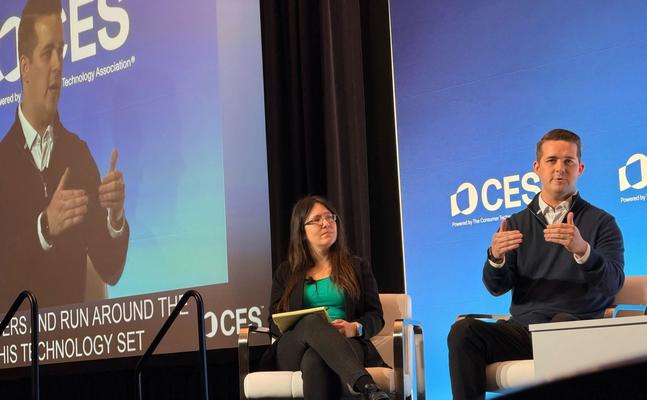
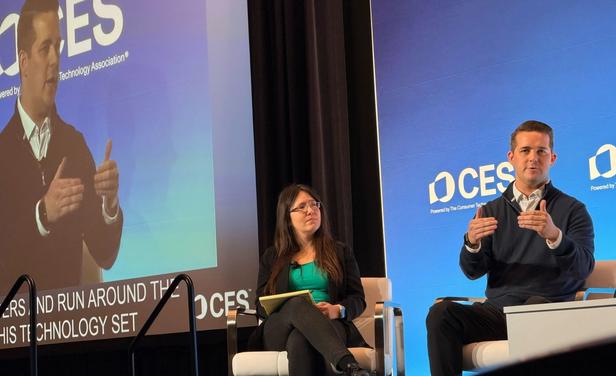
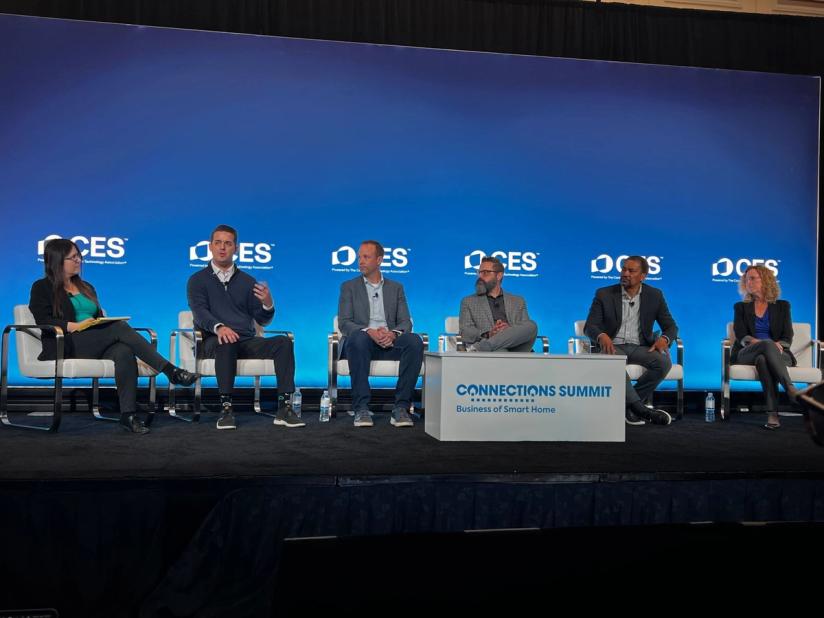
At the 2026 CONNECTIONS Summit at CES hosted by Parks Associates, the Smart Living in Multifamily Spaces session explored how smart technologies are reshaping multifamily communities. The discussion focused on practical deployments, what is working today, where ROI comes from and how owners can scale smart solutions across complex portfolios.
With the multifamily market expected to reach 36 million units by 2026, panelists emphasized that smart technology is no longer a niche differentiator. It is becoming a core infrastructure, influencing underwriting, operations and resident satisfaction.
Market Providers and the New ROI Reality
Panelists discussed managed Wi-Fi, IoT devices, AI-driven analytics and digital twins—a virtual replica of physical systems using real-time data to mirror performance—moving into the mainstream, driven by both resident expectations and operator economics.
Economic pressure was a recurring theme.
“The multifamily industry is getting a bit squeezed,” said Dennis Kyle, senior vice president of Smart Building for RealPage. “Utility costs are going up, expenses are increasing and rents are having trouble keeping pace. The industry is really feeling the strain.”
Smart technologies are increasingly viewed as financial levers rather than amenities. Kyle cited managed Wi-Fi and IoT systems as ways to offset rising costs, with returns tied to energy savings, insurance mitigation and risk reduction through water, leak and fire sensors.
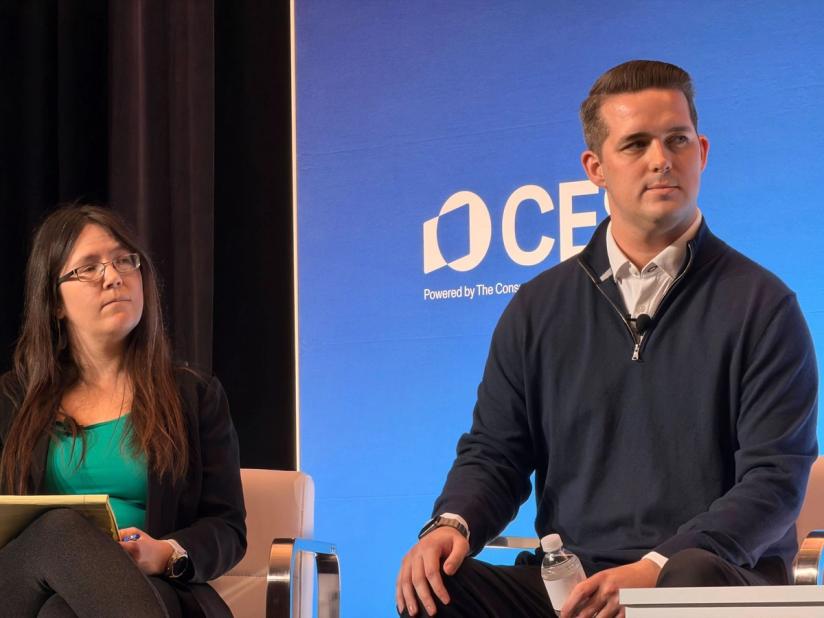
Braeden Scheer, vice president of product management for SmartRent, explained the evolving nature of ROI.
“For things like smart access control, community Wi-Fi and getting the infrastructure of a community into a digital modality, the ROI of that five years ago would have been predominantly in the amenity fees,” Scheer said. “Today, those fees are only part of the equation. Asset protection and operational efficiency have become equally important.”
Catching small issues before they escalate prevents major capital expenses down the road. At the same time, automation reduces onsite team responsibilities through continuous monitoring and smarter workflows, reshaping long-term asset performance, operating efficiency and underwriting assumptions.
“Our mission is to create smarter multifamily communities by combining intelligent software with efficient operations that bolster revenue, reduce costs and deliver premium results,” Scheer said.
Emerging Trends and Technologies
Emerging technologies gaining momentum include EV charging, digital signage, video analytics and AI-enabled workflows. Digital twins, in particular, help operators make sense of complex buildings.
“Everything is made to operate via the internet and all of the components that we’re adding to these buildings are intimately connected,” said Erik Wolf, chief marketing officer for ROCiQ. “We certainly have access to a lot more data, but there’s a big difference between general information and valuable insight. Digital twins allow operators to target specific operational pain points, optimize performance and reduce costs.”
Wolf noted some returns, like disasters avoided, are harder to quantify but still remain crucial.
“How do you quantify the fact that we didn’t have a disastrous event because of this water leak our sensors detected,” Wolf said. “It’s harder to calculate, but it is part of the bigger picture.”
Additionally, panelists recommended pilot projects to validate emerging investments before portfolio-wide deployment.
Installation and Integration Challenges
While the technology is advancing quickly, deployment, especially in existing buildings, remains one of the biggest hurdles. Jake Purcell, senior director of Comcast Smart Solutions, offered a reality check on retrofitting older communities.
“Every community is different and set up in a unique manner,” Purcell said. “Some of these assets have been in operation for 50 or 60 years. Successful deployments require detailed site surveys, coordination with onsite teams and solutions designed specifically for multifamily needs.”
APIs and cloud-based platforms were emphasized as critical, allowing disparate systems to integrate, scale and evolve without creating silos.
Customer Service and Resident Experience
As the panelists mentioned, the resident experience starts with connectivity.
“The base starts with solid Wi-Fi connectivity,” said Teresa McGaughey, vice president of field and partner marketing for Calix. “Managed Wi-Fi provides visibility into how networks perform across entire properties. Once that foundation is in place, communities can layer on services that residents value and are willing to pay for, such as EV charging.”
Speakers also highlighted the importance of training associates, creating a smooth resident experience and taking a pragmatic approach, focusing on the areas with the biggest operational and financial impact.
Key Technologies and Standards
The session closed with a reminder that smart multifamily success depends on getting the fundamentals right. Underwriting, managing Wi-Fi, modernizing access controls and standardizing platforms are essential to scaling effectively. At the same time, technologies like digital signage, video analytics and EV charging are moving from “nice to have” to expected features in modern communities.
“You have to have the vision and the right platform to build a holistic business model,” Purcell said. “Together, those solutions are what will drive real ROI.”
The key message of the session was clear: Smart technology is about building connected, intelligent communities that deliver measurable value across operations, finances and the resident experience.
“In multifamily, the conversation about smart living must evolve,” Scheer said. “The real measure of innovation is how technology is built, deployed and experienced by residents and onsite teams every day. Successful outcomes are driven by hardware design, form factor and consistent and intuitive performance.”